
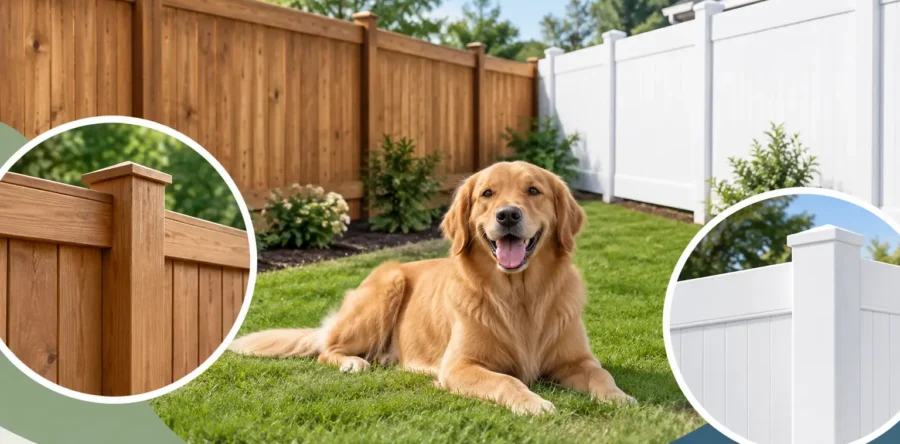
A dog does not need a large opening to turn a backyard into an escape route. A loose gate latch, a widening gap below the fence, or a weak panel near a favorite digging spot can be enough. The top pet safe fence features are not just about making a yard look enclosed. They create a dependable boundary that fits your pet’s size, habits, strength, and the conditions on your property.
For families, ranch properties, and homeowners with active dogs, the right fence starts with honest planning. A small senior dog, a determined husky, and a dog that reacts to passing people or wildlife each put different demands on a fence. Material matters, but proper installation and structural support matter just as much.
Top Pet Safe Fence Features That Matter Most
The best pet fence is built as a complete system. It should have secure panels, stable posts, carefully finished edges, a reliable gate, and a design that addresses how your animal actually behaves outside.
A height that matches your pet’s ability
Fence height is the first decision most property owners consider, and for good reason. A fence that looks tall from the patio may be easy for an athletic dog to clear, especially if there is furniture, a retaining edge, stacked materials, or sloped ground near the boundary.
Many average-sized dogs do well with a six-foot privacy fence, but that is not a universal answer. Large, agile, or highly motivated jumpers may need a taller solution or design details that remove launching points. Smaller dogs may not need extra height, but they do need protection from low gaps and wide picket spacing. The goal is not to choose the tallest fence by default. It is to choose a height that makes sense for the dog and the yard.
No escape gaps at the bottom or between panels
A pet-safe fence needs consistent spacing from one end of the property to the other. Dogs often find the one low section where soil has eroded, a panel sits high over uneven grade, or a damaged board has begun to pull away.
This is especially important on sloped lots and properties with varied terrain. A professional layout can follow grade closely enough to limit openings without creating an awkward-looking fence line. For dogs that dig or push under fencing, an extended barrier below grade or a properly integrated ground-level reinforcement may be the better long-term solution.
Spacing between pickets, rails, and gate components also deserves attention. A puppy can squeeze through places that seem too narrow, while a larger dog may get its head or shoulders caught in poorly designed openings. Smooth, uniform construction protects pets from both escape and injury.
Strong posts, not just attractive panels
A fence is only as dependable as the framework holding it upright. Panels may look fine on installation day, but weak or deteriorating posts can lead to leaning sections, loose gates, and gaps over time.
For vinyl fencing in particular, high-grade materials and dependable reinforcement make a major difference. All Season Fencing uses Postmaster metal posts when the project calls for superior long-term strength. These posts help support a straighter, more durable fence line through wind, weather, active use, and the occasional dog that treats the fence as a racing track.
Wood fencing can also provide excellent pet containment when it is built with quality lumber, proper fasteners, and sound post construction. The important point is to look past the face of the fence. Inferior materials and rushed installation often show up later as movement, warping, loose boards, and openings where they should not exist.
Gate Hardware Is a Pet-Safety Feature
A gate is the moving part of your fence system, so it is often the first place containment fails. A gate that drags, sags, or does not close cleanly will eventually become a problem, especially in a busy household where children, guests, gardeners, and delivery personnel may use the yard.
Choose a gate with sturdy hinges, a secure latch, and a frame designed to stay square. For dogs that have learned to nose or paw at latches, a higher-positioned or two-action latch can add meaningful protection. Self-closing gate hardware can be useful near pools, side yards, or areas with frequent foot traffic, but it still needs to be adjusted and checked regularly.
Gate placement also matters. A gate that opens toward a driveway, street, or shared access area should be designed so a pet cannot rush through the moment someone enters. In some yards, creating a small enclosed transition area near the main gate provides an extra layer of control for energetic dogs.
Privacy, Visibility, and Your Dog’s Temperament
Not every dog benefits from the same level of visibility. A solid vinyl or wood privacy fence can reduce visual triggers from pedestrians, neighboring dogs, bicycles, and wildlife. For dogs that bark, pace, or charge the property line, reducing those triggers can make the yard calmer and more usable.
On the other hand, some properties need airflow, open views, or a fence style that fits a larger landscape. Chain-link fencing can be an effective, practical containment option for ranch, farm, and large-property enclosures when it is properly tensioned, securely fastened, and sized for the animal being contained. It offers visibility and can cover substantial areas efficiently.
The trade-off is behavioral. A dog that reacts strongly to what it sees beyond the fence may need privacy screening or a more solid fencing design. Material selection should account for your property needs and your pet’s daily behavior, not just curb appeal.
Smooth, Durable Materials Protect Pets Over Time
Pet safety includes the fence surface itself. Splintered wood, broken vinyl components, exposed sharp wire ends, and protruding fasteners can turn a simple boundary into a hazard. A quality installation should leave clean lines, secure connections, and no rough edges at a dog’s height.
Vinyl is a popular choice for pet owners because it creates a clean, solid barrier and does not require painting or staining. High-quality vinyl is designed to resist common issues such as rot, cracking, and routine moisture damage. It is also easy to rinse off after muddy paws, sprinkler overspray, or a busy season of backyard play.
Wood remains a strong choice for homeowners who want a natural appearance and custom design flexibility. It does require periodic inspection and maintenance, particularly in areas exposed to sun, irrigation, and seasonal weather. A well-built wood fence can serve pets very well, but it should not be treated as a set-it-and-forget-it structure.
Design for Digging, Climbing, and Pressure Points
Dogs are experts at repeating whatever works. If they discover that a corner lifts, a board flexes, or the soil is soft along one side of the yard, they may return to that spot every day. The right design accounts for those pressure points before they become repairs.
Walk the yard with your installer and identify where your pet spends time. Look at gate corners, shaded digging areas, gaps around utility equipment, slope transitions, and fence lines beside neighbor structures. A custom solution may include reinforced sections, tighter ground clearance, or a different material in the areas that receive the most use.
Climbers need special consideration as well. Horizontal rails facing the inside of a yard can offer footholds to certain dogs. Fence design can reduce those climbing opportunities while still delivering a clean, finished appearance. This is the kind of detail that separates a basic enclosure from a fence tailored to your animal.
A Pet Fence Still Needs Regular Checks
Even a professionally built fence benefits from a quick routine inspection. Seasonal changes, wind, landscaping work, and daily gate use can affect a boundary over time. Walk the perimeter occasionally and check that gates latch firmly, panels remain secure, and no new openings have developed below the fence.
Pay attention after storms, after moving heavy equipment through the yard, or when landscaping changes the grade along a fence line. If your dog suddenly shows unusual interest in one section, investigate it. They may be reacting to a loose component or an opening you have not yet noticed.
A secure fence gives pets room to play, rest, and enjoy the yard while giving owners more confidence. It is not a replacement for supervision, especially with dogs that are anxious, aggressive, or determined to escape, but it is one of the most valuable investments you can make in everyday safety.
For a new pet barrier or a replacement for an aging fence, work with a licensed, bonded, insured contractor who will evaluate the full property rather than sell a one-size-fits-all panel. All Season Fencing can help homeowners identify the right materials, structural components, gate design, and custom details for a fence that protects the animals who depend on it.