
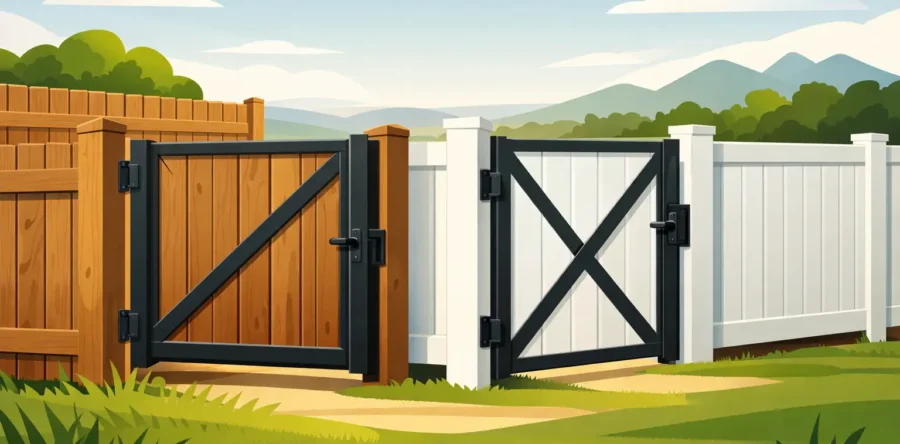
A moving fence section is asked to do more work than the rest of the fence. It carries its own weight, absorbs daily use, resists wind, and must stay aligned with the surrounding structure. That is where the benefits of metal gate frames become clear. A properly built metal frame helps prevent sagging, twisting, sticking, and the repeated adjustments that can turn a simple access point into an ongoing repair problem.
For homeowners, ranch properties, and commercial sites, the frame is not a detail to overlook. It is the structural backbone behind a fence section that needs to open, close, and remain dependable through years of weather and use. The right material and installation method depend on the opening size, fence style, terrain, hardware, and exposure. Still, metal framing is often the strongest long-term choice when durability matters.
Benefits of Metal Gate Frames in Real-World Conditions
Wood has a natural look and works well in many custom fence designs, but it can move as moisture and temperature change. Over time, a wood-framed moving section may dry, swell, split, or slowly lose its original shape. That movement can put stress on fasteners and hardware, especially when the section is wide, tall, or built with heavy redwood, cedar, or vinyl components.
Metal provides a more stable skeleton. Quality steel tubing or another properly selected metal frame holds its shape under load far better than lumber alone. The visible fence material can still match the rest of the property, whether that means vinyl, wood, chain-link, or a custom design. The difference is that the load is carried by a frame designed for the job.
That structural support matters most when the opening receives frequent use. A family entry used several times each day, a side yard access point for trash bins, or a commercial service area all place regular strain on the frame and hardware. A well-built metal frame helps keep that strain from becoming a sagging problem.
Better alignment from day one
Good operation starts with accurate installation. Metal frames can be fabricated square and installed with consistent, measured clearances. When paired with properly set support posts and correctly matched hardware, the section is more likely to close cleanly without dragging, rubbing, or leaving uneven gaps.
This is especially valuable on sloped lots and custom openings, where off-the-shelf panels rarely provide a clean fit. A contractor should measure the actual opening, account for grade changes, and consider the weight of every finish component before fabrication begins. Trying to force a standard-size frame into an irregular opening is one of the quickest ways to create alignment issues.
Less sagging over time
Sagging is usually not caused by one issue. It is often the result of a heavy panel, undersized framing, weak corner connections, insufficient support posts, or hardware that was not rated for the load. Wind can make the problem worse by repeatedly pulling on a broad solid panel.
A metal frame reduces the chance of distortion because its rails and stiles resist bending and racking. Diagonal bracing may also be appropriate for larger or heavier sections. The goal is not simply to make the frame strong at installation. The goal is to keep it square after thousands of opening and closing cycles.
For properties near the coast, wind exposure deserves special attention. For inland properties that see intense heat and dry conditions, material movement and sun exposure also matter. The frame, posts, fasteners, and finish material need to be specified as one working system.
Stronger support for privacy materials
Solid privacy designs place more pressure on a frame than open picket or chain-link styles. Vinyl privacy panels, horizontal wood boards, and tall custom enclosures catch wind and add weight. If the supporting structure is undersized, the problem may not appear immediately. It can show up months later as a section that drags at the bottom or refuses to latch properly.
Metal framing gives heavier privacy materials a reliable foundation. It also allows the fence face to be designed for appearance without asking decorative boards or vinyl components to carry structural loads they were never meant to handle. That separation of structure and finish is a smart construction practice, particularly for larger custom projects.
Material Choice Still Matters
Not every metal frame is equal. The benefits depend on the type of metal, wall thickness, finish, fabrication quality, and how it connects to the posts. Thin material may look acceptable initially but can flex under load. Poor welds, weak corners, and mismatched fasteners can shorten service life regardless of the metal used.
Steel is commonly selected where maximum strength is needed. It is a practical choice for wide openings, heavy wood construction, commercial applications, and high-use areas. It should be properly protected against corrosion with an appropriate finish for the environment. Galvanized or coated steel can offer excellent long-term performance when the coating is not damaged during installation.
Aluminum is lighter and naturally corrosion resistant, which can make it a good fit for certain decorative or coastal applications. It is not automatically the best choice for every job, however. Larger spans and heavier materials may require more substantial aluminum components or a different structural approach. Material selection should follow the load, not just the appearance.
A quality frame also needs compatible hardware. Heavy-duty hinges, correctly sized fasteners, solid post connections, and properly located stops all affect performance. Spending money on a strong frame while attaching it to weak posts is not a long-term solution. The entire assembly must be engineered and installed to work together.
Lower Maintenance Does Not Mean No Maintenance
One of the practical benefits of metal gate frames is reduced maintenance compared with wood-only framing. Metal will not rot, and it does not absorb moisture the way lumber does. That can mean fewer structural repairs over the life of the fence.
Still, metal deserves periodic attention. Check for chipped coatings, corrosion near fasteners, loose hardware, and signs that the supports have shifted. Lubricate moving hardware as recommended by its manufacturer. If a section begins to drag or bind, address it early instead of forcing it into operation. Minor adjustments are much easier than repairs after hardware has bent or a frame has been stressed out of square.
In coastal Ventura County and nearby communities, salt air can accelerate corrosion on unprotected or damaged steel. Inland heat can be hard on finishes and surrounding fence materials. A professional recommendation should account for those conditions rather than treating every property the same.
When a Metal Frame May Not Be Necessary
Metal is not mandatory for every small, lightweight fence section. A modest opening with a light design, limited use, and strong surrounding supports may perform well with a carefully built wood structure. Budget, architectural style, and intended use all play a role.
The concern is not whether wood can work. It can. The concern is whether the frame has enough strength for the size, weight, exposure, and daily use it will face. A wide privacy panel, a tall custom design, or an access point that serves equipment, pets, or regular business traffic deserves more than a basic framing solution.
Before approving a project, ask what is carrying the weight, how the posts are set, what hardware is being used, and how the contractor plans to prevent sagging. Clear answers to those questions protect you from shortcuts that may be hidden once the work is complete.
All Season Fencing approaches structural decisions with the same care used for full perimeter fencing: use high-grade materials, build for the property’s actual conditions, and avoid repairs that could have been prevented at installation. A licensed C-13 contractor should provide a written proposal that identifies the material approach and gives you a clear understanding of what is being built.
A metal frame is a worthwhile investment when it protects the performance of the entire fence system. If your current section is dragging, sagging, or showing signs of repeated hardware failure, request a professional evaluation before a small alignment issue becomes a larger rebuild.