
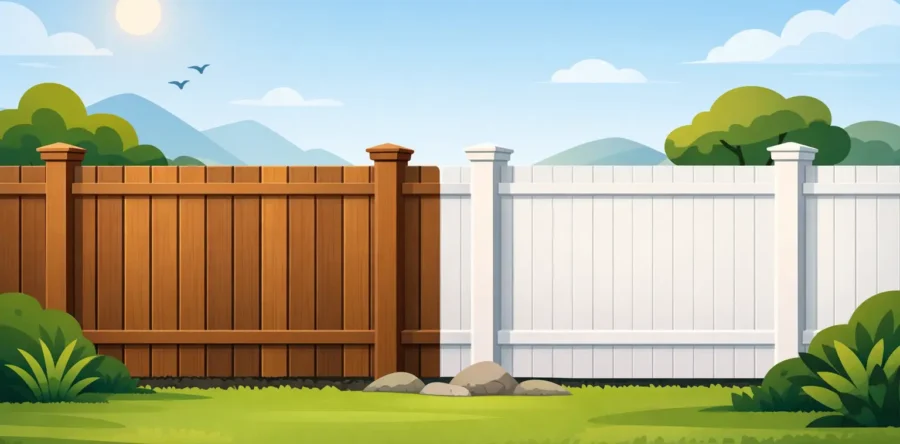
A fence can look clean on installation day and still become a costly disappointment a few seasons later. Leaning posts, warped boards, loose panels, and uneven lines usually begin with decisions made before the first hole is dug. A proper custom fence design considers what the fence must do, what it will face outdoors, and how the property actually works from one end to the other.
For a Ventura County homeowner, that may mean blocking a close neighbor’s view while keeping a dog safely contained. For a ranch, estate, or business property, it may mean defining a long perimeter that can withstand sun, wind, irrigation, and daily use. The right answer is rarely a one-size-fits-all fence. It is a design built around your ground conditions, priorities, material preferences, and budget.
Custom Fence Design Starts With How You Use the Property
The first question is not, “What style looks best?” It is, “What does this fence need to accomplish?” Privacy, pet safety, security, wind control, visual appeal, and property definition can all matter, but they do not always point to the same material or layout.
A family with children and pets may need a consistent barrier without large openings or weak areas along uneven ground. A front or side-yard project may place more emphasis on curb appeal and matching the home’s architecture. A commercial or agricultural perimeter may require practical access, visibility, and durable construction across a much larger footprint.
Terrain deserves equal attention. Southern California properties are not always flat, even when they appear that way from the street. A fence line can run into slopes, retaining areas, tree roots, drainage paths, sprinkler lines, and abrupt grade changes. A custom plan accounts for those conditions before materials are ordered, rather than forcing a standard panel into a space where it does not belong.
Privacy Is More Than Fence Height
A taller fence may improve privacy, but height alone does not solve every sightline problem. The elevation of neighboring yards, patio locations, windows, pools, and driveways can change what is visible. Panel style, board spacing, top treatment, and the way the fence follows the slope all affect the finished result.
Local rules also matter. Height limits, property lines, homeowner association requirements, and permit needs can affect what is allowed. A licensed contractor should help identify the practical questions early, rather than leaving the customer to discover a restriction after the project has started.
Choose Materials for Performance, Not Just Appearance
Every fencing material has strengths. The better choice depends on the appearance you want, how much maintenance you accept, and how hard the fence will need to work over time.
Vinyl is a strong option for homeowners who want a clean, consistent appearance with minimal routine maintenance. High-quality vinyl fencing does not rot like wood, and it avoids the frequent painting or staining that many wood fences require. It is especially effective for privacy and pet-containment applications when the system is properly installed and supported.
Not all vinyl is equal. Thin material, weak internal support, poor-quality hardware, and rushed installation can leave a fence vulnerable to movement and damage. The product itself matters, but the installation method matters just as much. A well-built vinyl fence should look straight, feel secure, and have posts designed for the demands of the site.
Redwood and cedar offer natural warmth that many property owners prefer, particularly around traditional homes, garden spaces, and distinctive custom projects. Quality wood can be beautiful, but it requires honest expectations. Sun exposure, moisture, insects, and normal aging can lead to checking, color change, warping, or maintenance needs. The grade of lumber, the fastening method, and the design of the structure all influence how well it performs.
Chain-link fencing is often the practical choice for large areas, commercial needs, farms, ranches, and locations where visibility matters. It can provide a dependable boundary without the cost of a full privacy system. For some properties, a chain-link enclosure is the most sensible investment because it delivers coverage, durability, and straightforward upkeep.
The Posts Carry the Real Load
Fence panels get the attention, but posts determine whether the fence stays aligned. When a fence starts leaning or moving, the issue is often below ground or inside the post structure. Poor contractor practices commonly include undersized posts, shallow footing depth, inconsistent spacing, or materials that are not suited to the environment.
For many projects, Postmaster metal posts provide a major structural advantage over standard wood posts. They are engineered to resist the rot, insect damage, and gradual weakness associated with wood posts in the ground. They can also be concealed within many wood fence designs, preserving a traditional finished appearance while improving long-term support.
The right post system depends on the material, height, soil, wind exposure, and length of the fence line. A short decorative fence and a long privacy run should not automatically receive the same structural approach. This is where custom fence design earns its value: the structure is selected for the job rather than treated as an afterthought.
Straight Lines Require More Than Good Eyesight
Professional installation begins with layout. Property lines should be understood, fence runs should be measured carefully, and changes in grade should be planned before excavation begins. Posts need to be set at proper intervals and kept consistently aligned as the work progresses.
This is also why a clean job site and clear communication are not minor details. A fencing project affects landscaping, patios, pets, vehicles, and everyday access around the property. A contractor should explain the work plan, protect the site as reasonably as possible, remove old materials when included in the proposal, and leave the area orderly when the work is complete.
Avoid the Cheap Fence Cycle
The lowest price is not always the lowest cost. An estimate can look attractive because it uses lower-grade lumber, thin vinyl, lighter posts, minimal concrete, or a rushed labor plan. Those shortcuts may not be obvious at first. They become obvious when repairs arrive early, panels sag, or the fence needs replacement far sooner than expected.
A clear written proposal should identify the material type, approximate fence length, height, post system, demolition or haul-away scope when applicable, and any site conditions that may affect pricing. If an estimate is vague, it is difficult to compare it fairly with another contractor’s proposal.
California customers should also protect themselves by verifying contractor licensing, bonding, and insurance. Licensed contractor requirements exist for a reason. They help establish accountability and reduce the risk of dealing with unqualified work, improper payment requests, or a contractor who disappears before the project is finished.
Build Around the Property You Have
A good fence does not merely fill a boundary line. It works with the home, landscape, and daily routines of the people using the property. That can mean transitioning from privacy fencing near a living area to a more open material farther out. It may mean selecting a wood design with metal post support, or choosing vinyl for a low-maintenance solution where a consistent appearance matters most.
For larger properties, planning in phases can be a smart approach. Complete the highest-priority perimeter first, then continue in logical sections as budget allows. The key is to plan the full design early so material choices, elevations, and future connections remain consistent.
All Season Fencing works directly with homeowners, businesses, ranches, and property owners throughout Ventura, Oxnard, Camarillo, Santa Barbara, Malibu, Bakersfield, and surrounding communities. As a licensed, bonded, insured, veteran-owned C-13 fencing contractor, the focus is straightforward: quality materials, sound construction, honest answers, and a fence built for the conditions it will face.
Start With a Professional Site Review
The best time to address weak soil, slope changes, aging fence removal, material transitions, and privacy concerns is before construction starts. A professional on-site review turns broad ideas into a practical scope of work and gives you a clearer understanding of what your investment will deliver.
Contact Seth for a fast, friendly, informative, free professional proposal. Bring your priorities, questions, and ideas to the conversation. The right custom fence design should protect your property, suit your life, and still look like it belongs there years from now.