
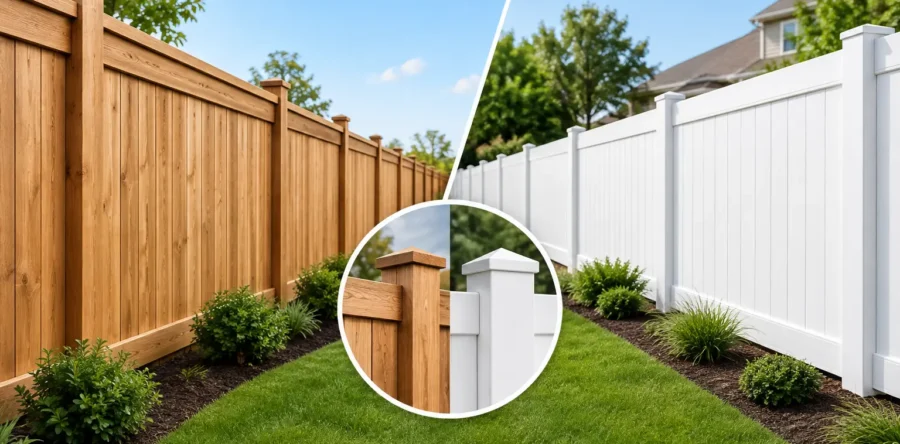
A wood fence can look excellent on installation day and still become a costly disappointment a few seasons later. Leaning posts, loose rails, shrinking gates, warped boards, and early rot are rarely just “wood fence problems.” They are usually construction problems: undersized materials, weak post systems, poor drainage planning, or a contractor who treated the fence as a quick job instead of a long-term structure.
For homeowners, ranch properties, and businesses, wood fences remain one of the most practical ways to create privacy, define a boundary, contain pets, and improve curb appeal. The key is choosing a design and installation method that fit the property, the exposure, and the level of maintenance you are willing to provide.
Why Wood Fences Still Make Sense
Wood has a natural appearance that works especially well around homes, gardens, estates, and larger properties. It can be built as a straightforward privacy fence, a decorative boundary, a ranch-style enclosure, or a custom design that follows uneven grades and unusual property lines. Unlike many prefabricated systems, wood offers substantial flexibility in height, board layout, gate design, and finished appearance.
That flexibility matters when a fence needs to do more than mark a line. A family may need visual privacy from neighboring windows. A pet owner may need a secure enclosure without gaps at the bottom. A property owner may need a fence that transitions cleanly around mature landscaping, retaining walls, slopes, or outbuildings. A good wood fence design addresses those needs before the first post is set.
Wood also has trade-offs. It is an organic material, so sun, moisture, ground contact, irrigation overspray, and coastal air can affect it over time. No responsible contractor should promise that wood will never move, weather, or require care. The goal is to start with quality materials and sound construction so normal aging does not turn into premature failure.
The Posts Determine Whether a Wood Fence Lasts
Most fence failures begin below ground. Fence boards may get the attention, but posts carry the structure. When posts lean, shift, rot, or loosen, rails fall out of alignment and gates stop working correctly. Replacing a few boards will not solve a failing post system.
Traditional wood posts can perform well when properly selected and installed, but they remain vulnerable to long-term moisture exposure at ground level. This is why metal post systems are worth serious consideration for many projects. Postmaster metal posts provide the strength of steel behind the warm appearance of a wood fence. They are engineered to resist the common problems that affect wood posts, including rot and gradual movement caused by weather and soil conditions.
From the street, the finished fence can still have the natural wood look customers want. The structural support is simply stronger where it matters most. This option is especially valuable for tall privacy fences, windy locations, gates, long fence runs, and properties where replacing posts later would be disruptive or expensive.
A quality installation also requires proper post spacing, secure rail connections, and a layout that does not force the fence to fight the terrain. Cutting corners on these fundamentals may lower the initial proposal, but the difference often appears later in sagging sections, bowed rails, and repairs that should not have been necessary.
Gates Need Their Own Structural Plan
A gate is not just a section of fence with hinges attached. It is a moving load, and it needs support that accounts for repeated use. Too often, gates are built from light framing or hung from posts that were never intended to carry the weight. The result is a gate that drags, sticks, or will not latch after a short period of use.
A properly built gate uses a rigid frame, quality hardware, diagonal bracing where appropriate, and posts capable of supporting the opening. For driveway, side-yard, animal-access, or equipment gates, the design should reflect the actual use of the gate, not just its appearance.
Choose a Design Around How You Use the Property
The best fence is not always the tallest or most decorative option. It is the one that handles the real job without creating unnecessary maintenance or cost.
A solid-board privacy fence is often a strong choice for backyards and side yards where families want separation from nearby homes. Small spacing between boards can soften the visual effect while still offering enclosure. Horizontal layouts create a clean, modern appearance, but they require careful framing because long horizontal boards can show movement more noticeably than conventional vertical designs.
For ranches, farms, and larger estates, an open-style wood fence may be the better fit. It establishes a visible perimeter while preserving sightlines across the property. When animals are involved, spacing, height, and reinforcement should be selected for the type of animal and the practical demands of the area. A fence that looks attractive but does not safely contain what it is meant to contain is not a successful installation.
On sloped ground, the question is whether the fence should step with the grade or follow it in a smooth line. Both approaches can work, but each creates different visual and functional results. A stepped fence can leave gaps below the panels if pet containment is a concern. A racked or contoured approach can look more natural across a slope, though it requires more precise planning and construction.
Material Quality Shows Up Years Later
Not all lumber, fasteners, rails, and hardware are equal. Inferior boards may arrive with excessive knots, splits, twisting, or inconsistent dimensions. Lower-grade fasteners can stain the wood, loosen prematurely, or corrode in outdoor conditions. These details may not be obvious in a quick estimate, but they affect the appearance and service life of the completed fence.
High-grade materials give a fence a better starting point, but material selection must be paired with proper installation. Boards should be placed with appropriate spacing to allow for natural movement. Rails need adequate support. Fasteners need to be suitable for exterior use. The bottom of the fence should be planned carefully so it is not constantly exposed to standing water, wet soil, or irrigation spray.
For properties near the coast or in areas with intense sun and seasonal temperature changes, these decisions become even more significant. A fence should be built for the conditions it will actually face, not for an idealized backyard with no wind, moisture, or daily wear.
Maintenance Is Part of Owning a Wood Fence
Wood fencing does need attention, and honest guidance should make that clear. Maintenance does not have to be difficult, but waiting until the fence is badly weathered can make the work more expensive.
Periodically inspect the fence for loose boards, damaged rails, fastener issues, and areas where sprinklers repeatedly hit the wood. Keep soil, mulch, vines, and stored materials from trapping moisture against the fence. If the wood is finished or sealed, follow the product guidance for cleaning and reapplication. Addressing a small issue early is far less expensive than waiting for a section to fail.
It also helps to watch the gate operation. If a gate begins rubbing the ground or becoming difficult to latch, it should be adjusted before repeated force damages the frame, hardware, or supporting posts.
A Low Price Is Not Always a Lower Cost
Fence proposals can look similar on paper while representing very different levels of workmanship. One contractor may include stronger posts, better hardware, cleaner layout work, and higher-grade lumber. Another may offer a lower number by reducing post depth, using light framing, selecting lower-quality materials, or leaving important details undefined.
Ask what posts will be used, how gates will be framed, what lumber grade is included, and how the contractor will handle slopes, existing structures, and old fence removal. Get the scope in writing. Confirm the contractor is properly licensed, bonded, and insured, and make sure the payment schedule follows California CSLB down-payment rules. These steps protect you from vague promises and surprise costs.
All Season Fencing approaches wood fence projects with the same standard: build the part customers see with care, and build the parts they do not see with even more care. A clean job site, direct communication, strong materials, and accountable installation are not extras. They are the foundation of a fence that earns its cost over time.
If your existing fence is leaning, deteriorating, or no longer meeting your privacy and safety needs, take a close look at the structure before choosing a replacement. A thoughtful design and a stronger post system can turn a routine fence project into a lasting improvement for your property.