
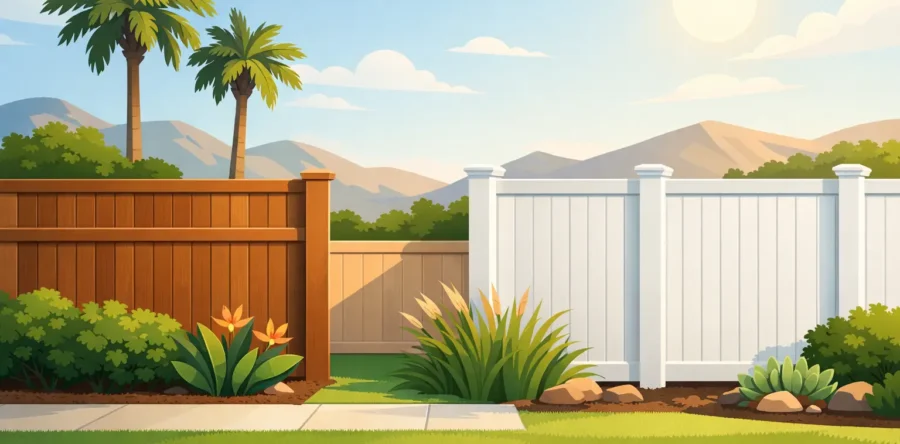
A vinyl fence can look clean on installation day and still fail long before it should. In Southern California, intense sun, dry soil, coastal air, wind, and shifting property conditions all test the materials below and above ground. Quality vinyl fencing is not simply about choosing a white panel. It is about choosing the right grade of vinyl, building a stable post system, and having the layout installed by a licensed contractor who understands what the fence must do for your property.
For homeowners, the appeal is straightforward: privacy, pet containment, a finished yard, and far less upkeep than a traditional wood fence. For commercial properties, ranches, and larger estates, vinyl can provide a consistent, durable perimeter with a professional appearance. The key is knowing where vinyl performs best and where shortcuts create expensive problems.
What Quality Vinyl Fencing Should Include
Vinyl is often sold as a maintenance-free material. That description is too broad. Vinyl fencing needs very little maintenance compared with wood, but it still depends on correct materials and construction. A low-grade panel may become brittle, chalky, or discolored after years of ultraviolet exposure. Thin rails can flex excessively. Weak posts can lean, even when the vinyl itself still looks new.
Start with high-grade, UV-resistant vinyl made for outdoor use. A properly manufactured system should have consistent color, substantial wall thickness, and rails designed to support the span without sagging. The surface should be smooth and easy to wash, but the strength of the material matters much more than its first impression.
The post system deserves equal attention. Fence posts carry the load from wind, soil movement, and daily pressure against the fence line. When a contractor sets undersized posts too shallowly or relies on poor concrete work, the result may be leaning sections, loose rails, and uneven lines. Those issues are not normal aging. They are installation failures.
At All Season Fencing, high-quality vinyl installation is a signature specialty because a clean finished look must be backed by real structural planning. In exposed areas or long runs, Postmaster metal posts can add meaningful strength inside the vinyl system. These steel posts are built to resist rot, warping, and long-term deterioration that can affect ordinary wood supports. The best option depends on the design, site conditions, and budget, but customers deserve to know what is being installed beneath the visible surface.
The Difference Between a Panel and a Fence System
A vinyl panel is only one piece of a fence system. The complete system includes posts, rails, pickets or privacy boards, caps, hardware, concrete, layout, and proper spacing. If one part is undersized, the entire run can suffer.
This is especially true on hillside lots, properties with irregular grade, and areas that receive strong seasonal winds. A fence that looks straight from the street may require stepped sections, racked sections, custom transitions, or reinforcement to follow the ground correctly. Trying to force a standard panel onto a difficult grade often produces awkward gaps and stressed components.
A professional proposal should explain the material type, height, post approach, removal needs, and any conditions that affect the installation. Clear information upfront protects the customer from vague allowances and surprise charges after work begins.
Why Vinyl Performs Well in Southern California
Wood fencing has a classic appearance, but it needs regular protection from sun, moisture, insects, and movement. Vinyl does not absorb moisture like wood, and it will not rot, splinter, or require staining. That makes it a practical choice for busy homeowners and property managers who want a clean boundary without adding another recurring maintenance project.
Vinyl also works well for privacy. Solid privacy styles create a defined backyard space for families, pets, pool areas, patios, and neighboring properties. Decorative top sections can soften the appearance without giving up the main privacy benefit. On front or side-yard applications, more open styles can improve curb appeal while still helping define the property line.
Coastal conditions add another reason to consider vinyl. Salt air and moisture can be hard on many outdoor materials, particularly when neglected maintenance allows corrosion or decay to spread. Vinyl does not rust, and its smooth surface is easy to rinse clean when dust, salt residue, or landscape debris builds up.
That said, vinyl is not automatically the right answer for every site. A customer who wants a natural, custom-built appearance may prefer redwood or cedar. Agricultural and large-property applications may call for chain-link or another purpose-built perimeter system. The right fence is the one that matches the property’s needs, not the one that happens to be easiest to sell.
Common Vinyl Fence Shortcuts to Avoid
The most common mistake is choosing strictly by the lowest price. A low proposal may leave out demolition, hauling, deeper footings, stronger posts, quality vinyl, or the labor required to handle slopes and difficult soil. Those omissions rarely stay hidden once the project is underway.
Watch for contractors who cannot clearly identify the material grade or explain how posts will be set. Ask whether the proposal includes removal of the existing fence, disposal, property-line layout, and cleanup. If a neighboring fence connects to yours, make sure the plan addresses the transition rather than treating it as an afterthought.
Another concern is improper spacing. Vinyl expands and contracts with temperature changes. The system must be assembled with enough room for normal movement while remaining secure. Sections installed too tightly can bind or bow. Sections installed carelessly can rattle, separate, or look uneven.
Poor cleanup is also a warning sign. A fence project can involve old materials, concrete debris, soil, and packaging. A professional crew should keep the job site organized, protect the surrounding property, and leave the work area looking finished rather than abandoned.
Planning the Right Vinyl Fence for Your Property
Before selecting a style, decide what the fence must accomplish. Privacy is different from pet safety. A decorative boundary is different from a durable commercial perimeter. Height, visibility, wind exposure, local requirements, neighboring structures, and terrain all affect the design.
For a backyard privacy project, consider where people sit, where pets spend time, and which views you want to screen. A taller solid panel may create the privacy you want, but local rules, neighborhood requirements, and utility conditions should be reviewed before installation. For side yards, think about how the fence line meets the home, hardscape, retaining walls, and existing structures.
For larger properties, layout accuracy becomes even more important. A minor alignment issue at one end of a long run can become a major problem farther down the line. Established property boundaries should be respected, and any uncertainty should be resolved before posts are set in concrete. Fence contractors can build to a provided line, but they do not replace a survey when boundary location is in question.
Homeowners should also verify contractor credentials. California fencing work has licensing requirements, and customers should be able to confirm a contractor’s license, bond, and insurance. Be cautious with down-payment requests that do not follow CSLB rules. A written contract, clear scope of work, and direct answers are basic customer protections, not extras.
What Maintenance Really Looks Like
Vinyl fencing is low maintenance, not zero attention. A periodic rinse with a hose usually removes ordinary dust and dirt. For stubborn marks, mild soap, water, and a soft cloth or brush are generally enough. Avoid harsh abrasive cleaners that can dull the finish.
Take a few minutes each season to look for loose caps, shifted posts, cracked components, or vegetation pressing heavily against the fence. Trim back vines and shrubs that hold moisture or create constant pressure on the panels. If a vehicle, fallen branch, or landscape equipment damages a section, address it early so the damage does not spread to nearby components.
The practical advantage is clear: routine care is simple, and there is no cycle of sanding, staining, sealing, or replacing rotted boards. When installed correctly, vinyl gives property owners more time to enjoy the space instead of maintaining its perimeter.
A well-built fence should make your property feel more private, secure, and complete without becoming a constant chore. If you are considering vinyl fencing in Ventura County, Santa Barbara, Malibu, or nearby Southern California communities, ask for a free professional proposal that explains the materials, post system, layout, and total scope before work starts. The right questions now are what keep a fence straight, strong, and worth the investment years from now.