
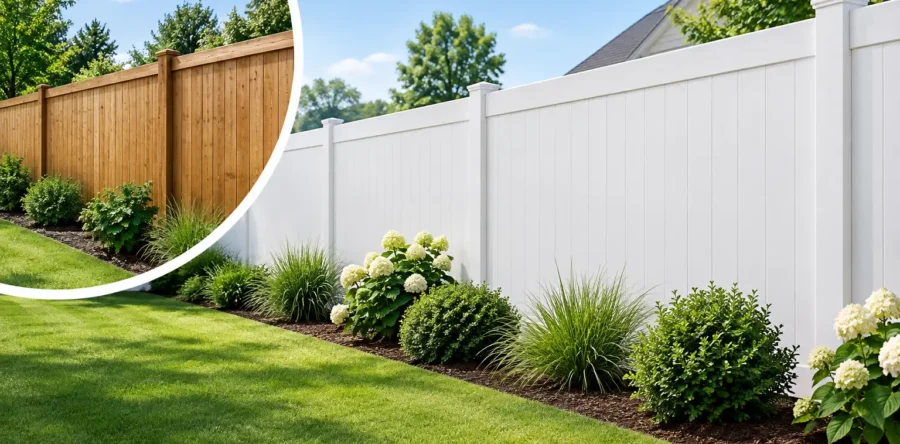
A fence should make your property feel more private and secure without adding another weekend maintenance project. That is why vinyl fences have become a leading choice for Southern California homeowners, families with pets, and property owners replacing worn-out wood fencing. When the material is high grade and the structure underneath is built correctly, vinyl provides a clean finished look that holds up through sun, moisture, sprinklers, and daily use.
The key phrase is built correctly. Vinyl panels alone do not make a durable fence. The posts, reinforcement, layout, grade changes, gates, and installation details determine whether a fence stays straight and attractive or begins to lean, rack, and disappoint. A professional proposal should explain those details clearly before work begins.
Why Vinyl Fences Are a Practical Long-Term Choice
Vinyl fencing is valued for its low-maintenance surface. Unlike many painted or stained fence products, it does not need routine refinishing to maintain its color and basic protection. It will not rot like wood, and it is not vulnerable to termite damage. For busy homeowners, that means less time spent scraping, coating, or replacing deteriorated boards.
A quality vinyl privacy fence also creates a consistent visual line. The boards are manufactured to fit together, which produces a clean appearance from the street, patio, pool area, or neighboring property. White remains a popular choice, but tan, gray, and other colors can work well when they complement the home, hardscape, or landscape plan.
Privacy is only one use. Vinyl ranch rail fencing can define a driveway, pasture edge, or estate property without closing off the view. Picket styles can contain pets and give a front yard a more finished boundary. Semi-private designs allow airflow while softening views between homes. The right style depends on what the fence needs to do, not simply what looks good in a product photo.
Vinyl has trade-offs, and an honest contractor should discuss them. It is not intended to mimic the natural grain and variation of real wood. It can also expand and contract with temperature changes, which is why proper spacing and installation methods matter. A low-priced system with thin rails or weak posts may look fine on installation day but have far less resistance to wind, gate movement, and long fence runs.
What Separates Quality Vinyl Fence Installation
The visible fence is only part of the job. A strong installation starts below grade, where posts need proper depth, alignment, and concrete support suited to the fence design and site conditions. If posts are set carelessly, every panel and gate connected to them will reflect that mistake.
High-grade vinyl components matter because they provide the wall thickness and internal strength needed for real outdoor exposure. Thin material may flex excessively, become brittle over time, or show a noticeable difference in finish. Quality rails, pickets, caps, brackets, and hardware should work together as a system rather than as a collection of bargain components.
For many privacy fence projects, steel reinforcement and Postmaster metal posts are worth serious consideration. Metal posts add structural strength where ordinary vinyl posts can be more vulnerable to movement. They are especially valuable along longer runs, in open or windy areas, and near gates that receive repeated use. The fence retains the clean vinyl appearance while gaining a far more substantial backbone.
A contractor should also account for the reality of the property. Few yards are perfectly level. Grade changes require planning so the fence follows the terrain in a way that looks intentional and avoids awkward gaps under the panels. Existing landscaping, retaining walls, sprinkler lines, drainage patterns, and access constraints should be addressed during the estimate, not discovered after the crew arrives.
Gates deserve more attention than most people give them
A gate is the moving part of the fence, so it often reveals whether the installer treated the project as a finished system. A poorly supported gate can sag, drag, or refuse to latch correctly. Gate posts need to be built for the load, and the hardware needs to match the gate size and expected use.
Think about how the gate will function every day. A side-yard gate used for trash bins and yard equipment has different needs than a pedestrian entry. A double gate for vehicle access needs careful planning for clearance, latching, and support. Discussing use before the design is finalized prevents the common mistake of installing a gate that looks right but works poorly.
Choosing the Right Style for Your Property
A six-foot privacy fence is often the practical answer for a backyard where neighbors are close and families want a more comfortable outdoor space. It can create a defined play area, reduce visual distractions, and provide a dependable barrier for dogs when the layout and gates are properly designed.
A lower picket fence may be a better fit where curb appeal and pet containment matter more than complete privacy. For ranch, farm, and larger estate properties, vinyl rail fencing can establish clear boundaries while preserving an open feel. Commercial and small-business properties may need a tailored combination of privacy sections, access gates, and perimeter fencing rather than one style used everywhere.
Color selection deserves the same practical thinking. White vinyl has a classic, bright appearance, but it can show dust and irrigation residue more readily in certain settings. Tan and darker neutral tones may better suit dry landscapes, stonework, or homes with earth-tone exteriors. There is no universal best color - choose one that supports the property’s architecture and the amount of cleaning you are willing to do.
Low Maintenance Does Not Mean No Maintenance
Vinyl fencing is easy to care for, but it still benefits from occasional attention. Most surface dirt can be rinsed away with a garden hose. For stubborn dust, pollen, or marks near high-traffic areas, use mild soap, water, and a soft brush or cloth. Avoid abrasive pads and harsh solvents that can dull or damage the surface.
Walk the fence periodically, especially after strong winds or heavy use. Check that gate latches operate smoothly, hinges remain secure, and fence lines have not been struck by landscaping equipment. Keep soil, mulch, and plant growth from piling against the lower portion of the fence. Those simple habits help preserve a clean appearance and make minor issues easier to address early.
Be cautious with pressure washing. Excessive pressure or a nozzle held too close can damage surfaces and force water into places it does not belong. If you are unsure how to remove a stain or buildup, ask a fencing professional before trying aggressive cleaning products.
Protect Yourself From Poor Fence Work
Fence projects are a meaningful investment, and the lowest quote is not always the lowest cost. A vague estimate can leave out material grades, post construction, gate hardware, removal work, cleanup, or important structural details. Those omissions often become change orders, shortcuts, or a fence that needs repair far sooner than expected.
Ask for a written proposal that identifies the fence style, height, material quality, post system, gates, and scope of work. Verify that the contractor is properly licensed, bonded, and insured. California homeowners should also understand CSLB down-payment rules and avoid contractors who pressure them for excessive money before work begins. Clear paperwork is not a formality - it is customer protection.
Pay attention to communication before the project starts. A contractor who listens to how you use the space, explains options without pressure, and answers direct questions is more likely to manage the work professionally. Clean job sites, respectful crews, accurate layout, and final walkthroughs are part of quality craftsmanship, not optional extras.
A Fence Should Work as Hard as It Looks
The best vinyl fence is not just a white line around a yard. It is a privacy barrier that makes a patio more usable, a pet boundary you can trust, a clean improvement to curb appeal, or a durable perimeter for a larger property. Its appearance matters, but its structure matters more.
All Season Fencing approaches vinyl as a specialty installation, using high-quality materials and strong structural components to match the demands of the property. For homeowners and property owners in Ventura County and surrounding Southern California communities, Seth can provide a fast, friendly, informative proposal built around your actual goals. Bring questions about privacy, pets, gates, grade changes, or long-term durability - a good fence project starts with clear answers.