
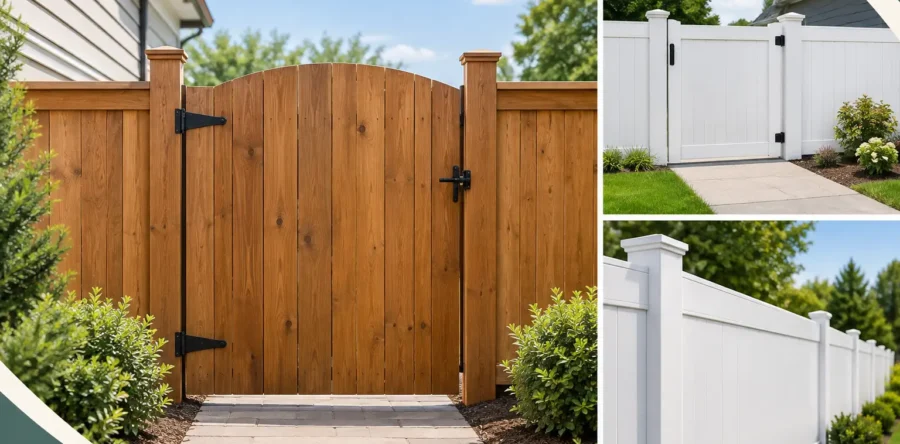
A gate is the moving part of your fence, which means it receives more stress than nearly any other section. Every opening, closing, push from the wind, and child or pet leaning against it tests the posts, hinges, frame, and latch. Quality gate installation is not just about making an entrance look finished. It is about building a gate that stays aligned, closes securely, and continues working after years of daily use.
For homeowners, ranch properties, and small businesses, a poorly built gate becomes an immediate frustration. It drags across concrete, leaves a gap your dog can slip through, fails to latch, or begins to sag before the rest of the fence has settled in. Those are not minor annoyances. They are signs that the gate was treated as an afterthought instead of a structural component.
Why Gate Installation Requires More Than a Good-Looking Panel
A gate may match the fence visually, but it cannot be built exactly like a stationary fence panel. Its weight is constantly pulling on the hinge side. The wider and taller the gate, the greater that force becomes. A solid privacy gate, for example, catches wind like a sail. A driveway gate carries even more demands because it must span a larger opening while remaining stable and easy to operate.
The foundation is the gate post. If that post shifts, twists, or is undersized for the load, even quality hinges will not solve the problem. The gate can become uneven, scrape the ground, or stop lining up with the latch. Strong post selection and proper setting depth are what keep the entire system honest over time.
At All Season Fencing, this is where material quality matters. High-grade framing, properly sized hardware, and durable steel Postmaster posts can make a meaningful difference in long-term performance. Metal posts help resist the rot, warping, and movement that can affect wood gate supports, particularly where irrigation, coastal moisture, or changing temperatures create repeated exposure.
Start With How the Gate Will Be Used
The best gate design depends on what needs to pass through it and how often it will operate. A simple side-yard walk gate has different requirements than a double gate for a trailer, an equipment access gate on a ranch, or a secure enclosure gate at a small business.
Before construction begins, think through the practical details. Will people use the gate several times per day? Does a lawn mower, trash bin, RV, horse trailer, or work vehicle need clearance? Is the goal privacy, pet containment, controlled access, or a more welcoming front entry? A gate should fit the way the property actually functions, not force you to work around it later.
A walk gate is often the right answer for side yards, pool-adjacent areas, garden access, and pet runs. It should swing freely, provide enough clearance over the surface below, and have a dependable latch that is easy for adults to use but secure enough for the intended enclosure.
For wider openings, double gates can provide vehicle access without requiring a large single leaf. They need a center latch arrangement and a stable way to hold one side in position when the other is used. On larger properties, sliding gates or custom driveway gates may be the more practical choice when swing clearance is limited. The right approach depends on available space, terrain, gate weight, and how often the opening will be used.
Swing Direction and Ground Conditions Matter
A gate needs room to swing without catching on a slope, landscaping, curbs, or uneven ground. This sounds basic, yet it is one of the most common reasons a finished gate performs poorly. A gate installed too close to the ground may drag after normal seasonal movement. Too much clearance beneath it can create a security concern or a gap for pets.
The swing direction matters as well. In some yards, opening inward protects a walkway or keeps the gate from moving into a driveway. In others, an outward swing is more practical. The decision should account for traffic flow, furniture, vehicles, and the way people naturally enter and leave the area.
Choosing Materials for Long-Term Gate Performance
The material should support both the appearance of the fence and the job the gate has to do. Vinyl gates are popular for clean, low-maintenance privacy fencing, but the gate itself needs internal reinforcement and properly engineered hardware. A gate that looks like vinyl alone is carrying all the weight may not hold its alignment over the long term.
Wood gates offer a traditional, custom appearance and can be designed for privacy, decorative detail, or estate-style access. Because wood is heavier and subject to natural movement, its frame, bracing, and support posts require careful attention. A well-built wood gate uses structural design to direct weight back toward the hinge side rather than allowing the latch side to sag.
Chain-link gates remain a practical option for pet areas, sports enclosures, commercial yards, farms, and larger perimeter systems. They offer visibility, durability, and dependable access without the cost of a full privacy design. For agricultural and ranch use, the right gate type also depends on livestock, equipment width, terrain, and the need for repeated vehicle access.
No material is maintenance-free in every condition. Hardware should be checked periodically, debris should be kept clear of the swing path, and latches should be tested rather than ignored until the gate stops working. The goal is not to create a gate that never needs attention. It is to build one with quality components that does not require constant correction.
The Details That Prevent Sagging and Sticking
Most gate problems can be traced to a few construction shortcuts: weak posts, light-duty hinges, inadequate framing, poor bracing, or hardware selected for appearance rather than load capacity. A gate can look straight on installation day and still fail quickly if the support system was not designed for its weight.
A diagonal brace is one example. On a wood gate, the brace should help carry the load from the outer top corner back toward the lower hinge side. Installed the wrong way, it may look correct to the untrained eye while doing little to prevent sagging. Frame joints also matter. Screws alone are not a substitute for a properly built, reinforced frame.
Hinges should be matched to the gate’s weight, width, and expected use. Light residential hardware may be acceptable for a narrow garden gate but not for a tall privacy gate or a large driveway opening. Latches need the same consideration. A latch that feels convenient but does not consistently engage is not providing reliable containment or security.
For pet owners, small gaps deserve special attention. Dogs are persistent when they see a way through, under, or around a gate. A professional design considers the bottom clearance, the space at the latch side, and whether the gate can be pushed outward under pressure. Families should also consider how easily children can operate the latch and whether the gate needs a self-closing or self-latching feature for added control.
What to Expect From a Professional Gate Installation
A professional contractor should ask questions before recommending a gate style. The conversation should cover the opening size, grade, fence material, intended traffic, privacy needs, pet concerns, and whether the property needs standard access or a custom solution. Clear communication at this stage prevents expensive changes after the fence is underway.
You should also receive a written proposal that identifies the scope of work and materials being used. This gives you a way to compare more than the bottom-line price. A low bid can leave out reinforcement, stronger posts, upgraded hinges, or cleanup that should be part of a complete job. Verify contractor licensing and bonding, and be cautious of anyone who pressures you for excessive money upfront or cannot explain how the gate will be supported.
Clean installation practices matter, too. A gate project affects landscaping, access paths, pets, and daily routines. Respect for the property, accurate layout, and a clean job site are part of professional workmanship, not optional extras.
A well-built gate should feel uncomplicated when you use it. It should open without a fight, latch without being lifted or shoved, and sit square within the fence line. If you are planning a new access point, replacing a sagging gate, or adding a secure entry to a larger enclosure, ask for a free professional proposal that explains the materials and construction choices before work begins. That extra clarity is how you protect your property and get a gate you can rely on every day.