
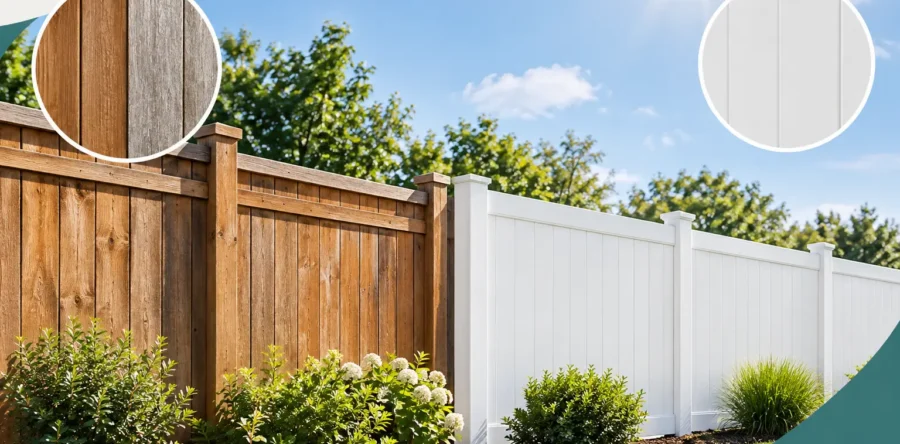
A bright white vinyl fence can make a property look finished on day one. After several hot summers, though, homeowners reasonably ask: do vinyl fences fade? The honest answer is yes, any outdoor material can change with years of sun exposure. But a properly manufactured, high-grade vinyl fence should resist noticeable fading far better than low-quality panels, and it should not require the regular painting, staining, or sealing associated with many other fence materials.
For properties across Ventura County, Santa Barbara, Malibu, and other sunny Southern California communities, the bigger question is not whether the sun exists. It is whether the fence material, installation, and maintenance plan are built for it.
Do Vinyl Fences Fade in Southern California?
Vinyl fencing can gradually lose some of its original richness under ultraviolet exposure, especially on surfaces that receive intense afternoon sun year after year. White vinyl usually shows this change the least. Instead of looking dramatically faded, it may take on a slightly softer or less bright appearance over a long period.
Tan, gray, brown, and other colored vinyl products can show fading more clearly because their color is more visible to begin with. Darker colors absorb more heat, which can add stress to the material in hot weather. That does not make colored vinyl a poor choice, but it makes material selection more important.
A quality vinyl fence is formulated with UV inhibitors and protective additives that help the material hold its color and resist sun damage. Cheaper products may have thinner walls, less protection against UV exposure, or inconsistent color throughout the panel. Those are the fences more likely to look chalky, blotchy, or prematurely worn.
Fading, Chalking, and Dirt Are Not the Same Problem
Homeowners often describe any loss of a clean, new-fence look as fading. In practice, several different issues may be at work.
True fading is a gradual color change caused by sunlight. It generally occurs evenly over broad, exposed areas and cannot be completely washed away. Chalking is a powdery residue that can develop as the outer surface weathers. It may leave a white film on a darker fence or make a white fence look dull. Surface dirt, irrigation minerals, pollen, mildew, and airborne grime can also make vinyl appear discolored even when its underlying color has held up well.
The distinction matters because cleaning can solve a surface problem, while it cannot reverse a material that has genuinely changed color. Before assuming replacement is needed, inspect shaded sections of the fence, areas behind planters, or a portion of the panel that has been protected from direct sun. If the protected area is noticeably brighter, fading may be part of the issue. If the fence looks better after a careful wash, buildup was likely the main culprit.
What Determines How Well Vinyl Holds Its Color?
Not all vinyl fencing is manufactured to the same standard. A low initial price can be appealing, but exterior durability is one area where shortcuts become visible over time. The quality of the resin, the UV-protection package, pigment consistency, panel thickness, and overall manufacturing process all affect how a fence ages.
Quality materials matter, but installation matters too. Vinyl expands and contracts as temperatures change. A fence system needs the right spacing, properly set posts, sound rail connections, and a layout designed for the property. When panels are forced too tightly or structural components are undersized, heat movement can contribute to bowing, cracking, or loosened sections. Those problems are separate from fading, but they often show up on the same bargain-grade fence.
The location of the fence also changes the equation. A fully exposed privacy fence facing west will take more punishment than a shaded side-yard enclosure. Coastal air, landscape overspray, reflected heat from concrete, and nearby pool chemicals can all affect how clean the surface stays. In agricultural or ranch settings, dust and irrigation conditions deserve consideration as well.
How to Keep a Vinyl Fence Looking Its Best
Vinyl is low maintenance, not no maintenance. A modest cleaning routine protects appearance and gives you an opportunity to spot small issues before they become more involved repairs.
For most fences, rinse loose dirt with a garden hose and wash the surface with mild soap, water, and a soft cloth or soft-bristle brush. Work in manageable sections, then rinse thoroughly. Avoid abrasive pads, harsh solvents, and aggressive scrubbing that can scuff the finish. If you use a pressure washer, keep pressure moderate, use a wide fan tip, and stand far enough back to avoid driving water into joints or damaging caps and accessories.
Landscape care makes a difference, too. Redirect sprinklers so they do not repeatedly spray the same fence section. Hard-water minerals can leave stubborn spots, particularly on darker colors. Keep vines and dense plant growth from trapping moisture against the fence, and trim shrubs that rub against panels in the wind.
For stains from grass, mud, or ordinary outdoor debris, start with the mildest cleaning method. Test any specialty cleaner on an inconspicuous area first. A product that is safe for one vinyl formulation or color may not be the right choice for another.
When Discoloration Signals a Material or Installation Concern
A fence that is a few years old and simply no longer looks brand new may be experiencing normal weathering. A fence that develops rapid, uneven discoloration, yellowing, brittleness, warped panels, or cracks deserves closer attention.
Uneven fading can point to inconsistent material quality or different levels of exposure. Yellowing may result from poor-quality vinyl, chemical exposure, or surface contamination. Cracking and warping are structural concerns, especially if they occur near rails, posts, gates, or hardware. Gates deserve particular attention because they carry more movement and weight than a standard panel section.
Take clear photos and compare affected areas with shaded or less-exposed sections. If the fence is covered by a manufacturer warranty, retain your installation paperwork and ask a qualified fencing contractor to assess the condition before attempting major repairs. Painting vinyl to hide discoloration is usually not the first answer. It can create an ongoing maintenance obligation and may interfere with warranty coverage, depending on the product.
Choosing Vinyl for Long-Term Appearance
If long-term color retention is a priority, ask direct questions before selecting a fence system. Find out whether the material is intended for high-UV climates, what the manufacturer warranty covers, and whether the color is engineered for exterior use. Ask about wall thickness, reinforcement where needed, and the post system supporting the fence.
A strong fence is more than attractive panels. Posts, rails, gate hardware, and installation practices determine whether the structure stays straight and dependable as seasons pass. For privacy fencing, pet barriers, large-property enclosures, and custom layouts, the right construction details help protect the investment as much as the visible finish does.
All Season Fencing specializes in high-quality vinyl installation and can help property owners compare practical options without pressure or vague promises. A clear proposal should explain the material being used, the structural approach, and what reasonable maintenance will look like after installation.
Sun exposure is unavoidable in Southern California, but premature fading is not something homeowners should simply accept. Choose vinyl made for exterior conditions, keep it clean, and address unusual discoloration early. A well-built fence should continue doing its job - defining your property, protecting privacy, and looking cared for - long after the first summer has passed.