
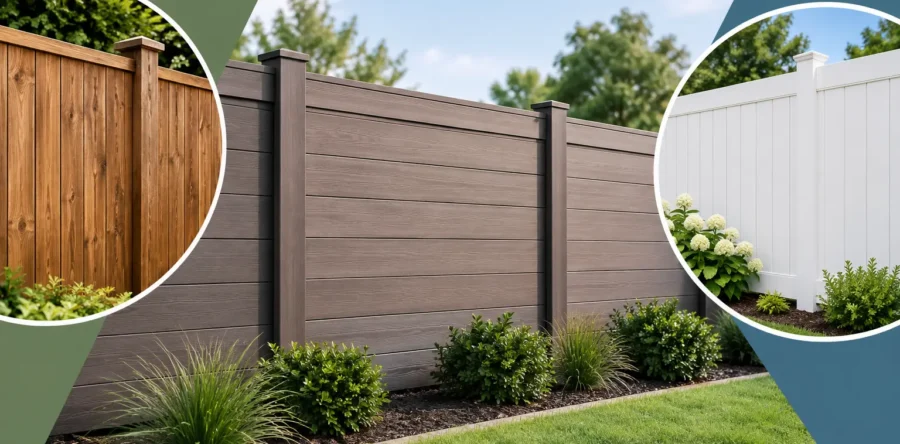
A composite fence can look clean and modern on day one. The real test comes after years of sun, wind, moisture, sprinkler overspray, pets, and everyday use. A quality composite fence installation is not simply a matter of sliding boards into posts. It is a structural project that needs the right layout, support system, spacing, and material selection for the property.
For homeowners who are tired of staining, splinters, rot, and warped wood, composite fencing can be a smart option. But it is not automatically the best choice for every yard, and not every installation method produces the same result. Understanding where the material performs well - and what the installer must get right - helps protect your investment.
What Composite Fencing Is Designed to Do
Composite fence boards are commonly made from a blend of recycled wood fibers and plastic polymers, often protected by a durable outer cap. The goal is straightforward: provide the visual warmth of wood with less routine maintenance and greater resistance to moisture-related damage.
Unlike natural wood, composite boards do not need regular staining or sealing. They are generally resistant to insects, splintering, and the type of surface checking that can make an older wood fence look neglected. For a backyard privacy fence, a pool-adjacent boundary, or a side-yard screen, that lower-maintenance appeal is a major reason property owners consider composite.
Still, “low maintenance” does not mean “no maintenance.” Dust, mud, salt air, pollen, and irrigation residue can collect on any exterior surface. Most composite fences need occasional washing with the manufacturer-approved cleaning method. Darker colors can also show dust more readily, while textured finishes may hold debris in recessed grain patterns.
The other consideration is appearance. Composite is manufactured for consistency, which many owners appreciate. If you want each board to have natural variation, knots, and a one-of-a-kind character, a wood fence may be more suitable. If you want a uniform, tailored look across a long run of fencing, composite can be an excellent fit.
Composite Fence Installation Starts Below the Panels
The most visible part of a fence is the panel or board system. The part that determines whether it remains straight is the framework beneath it. Posts, footings, rails, fasteners, and gates must be selected to handle the fence’s height, weight, and exposure.
Composite boards are often heavier than they appear. A crew cannot treat them like lightweight wood pickets or assume a standard layout will provide enough support. Inadequate posts or poorly designed rail spacing can lead to sagging, leaning, or a wavy fence line that becomes more noticeable over time.
This is why material-specific installation matters. Some composite systems are built around proprietary posts and rails. Others use metal reinforcement inside posts or rails. The manufacturer’s spacing requirements are not suggestions. They account for board weight, wind load, and normal expansion and contraction as temperatures change.
At All Season Fencing, structural components are treated as part of the finished product, not an afterthought. High-grade materials and strong metal-post options, including Postmaster posts where appropriate, give privacy fencing the backbone it needs. The result should be a fence that looks intentional from both sides and stays that way.
A straight layout is more than a cosmetic detail
A clean fence line begins with careful measurement and planning around grade changes, corners, existing landscaping, and access points. Composite fencing is less forgiving of shortcuts because its consistent lines make uneven spacing or crooked posts easier to see.
On a sloped yard, the fence may need to follow the grade gradually or use stepped sections. The right choice depends on the slope, the fencing system, and the amount of privacy needed at the bottom of the fence. A rushed installation can leave awkward gaps under the panels, uneven top lines, or sections that do not meet cleanly at transitions.
Drainage and clearance protect the lower section
Composite resists rot, but the structure around it still needs sound drainage. Water should not remain trapped at the base of posts, rails, or boards. Keeping the lower portion properly clear of constantly wet soil, thick mulch, and sprinkler spray helps the entire system stay cleaner and perform as intended.
This matters especially in landscaped side yards, where irrigation heads can repeatedly soak one section of fence. A professional installer will look at those conditions before construction instead of discovering them after materials are already in place.
Choose the Right Style for the Job
Composite fencing comes in privacy panels, horizontal designs, decorative screens, and systems that combine composite infill with metal framing. The best choice is driven by the job, not by a showroom photo alone.
A full-height privacy fence may be ideal where close neighbors, road noise, or pet containment are the main concerns. A decorative composite screen can define an outdoor living area without enclosing the entire yard. Horizontal boards can create a sharp architectural style, but they demand precise alignment because small inconsistencies are easy to spot across a long run.
Color deserves practical consideration too. Lighter colors tend to feel less intense in sunny areas and may hide ordinary dust better. Dark colors can make a strong design statement, but they absorb more heat and may require more frequent cleaning to maintain a crisp appearance. Samples should be viewed outdoors at different times of day, not only under indoor lighting.
Gates need special attention. They move, carry their own weight, and receive more daily stress than fixed panels. A composite gate must have a properly engineered frame and dependable hardware. Using fence boards alone as a gate structure is a shortcut that can produce dragging, sagging, or difficult latching down the road.
Where Composite Makes Sense - and Where It May Not
Composite can be a strong long-term choice for homeowners who value a consistent appearance and want to reduce ongoing wood maintenance. It is also useful for properties exposed to coastal moisture or frequent irrigation, provided the system is designed and installed for those conditions.
However, composite is usually a higher upfront investment than basic wood fencing. It can also have fewer options for field modifications once installation begins. If a property has highly irregular terrain, tight access, a need for a very custom profile, or a budget focused on the lowest initial cost, another fencing material may be a better match.
A good contractor should explain those trade-offs plainly. The right answer may be composite across the main privacy line, a different material for a service area, or a custom design that combines function with a more finished look. The goal is not to sell the most expensive fence. It is to build the fence that makes sense for the property and how you use it.
Questions Worth Asking Before You Commit
Before choosing a composite product or installer, ask what supports the panels, how the system handles movement from temperature changes, and how gates will be framed. Ask which components are covered by the product warranty and which workmanship details are covered by the contractor. You should also receive a clear written scope that identifies the material, design, fence height, and work to be completed.
For California property owners, contractor accountability matters just as much as the product. Verify that the fencing contractor is properly licensed, bonded, and insured. Be cautious of vague estimates, pressure to pay outside standard California contractor down-payment rules, or proposals that do not specify the structural materials being used. Those warning signs often lead to disputes over quality after the job is finished.
A professional proposal should make it easy to understand what you are buying. It should answer practical questions before work begins, maintain a clean job site during construction, and give you a direct point of contact if questions arise.
Build for the Fence You Want to Live With
The best composite fence is not the one with the boldest brochure claim. It is the one that fits the yard, has the right support underneath it, works at the gate and corners, and remains a source of privacy rather than a future repair project.
If you are considering composite fencing in Ventura County, Santa Barbara, Malibu, or nearby communities, contact Seth at All Season Fencing for a fast, friendly, informative, free professional proposal. A clear conversation about your property, priorities, and materials is the right place to start.