
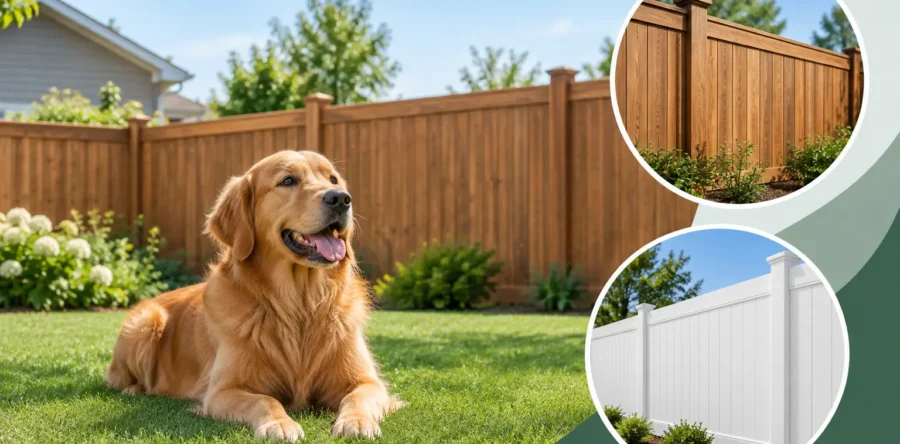
A pet does not need much time to turn a small opening into a big problem. A loose board, a gate that does not latch fully, or a gap under a fence can give a curious dog just enough room to get out. For families, the risk is more than inconvenience. An escaped pet can reach a busy street, encounter another animal, damage a neighbor's property, or simply disappear before anyone notices.
Knowing how to prevent pet escapes starts with looking at the entire perimeter, not just the most obvious weak spot. A safe yard needs a fence that fits the pet, gates that close reliably, and construction that holds up through heat, weather, daily use, and an animal determined to test the boundary.
Start With the Way Your Pet Actually Escapes
The right containment solution depends on the pet. A large, calm dog may only need a well-built privacy fence with a secure gate. A small terrier can find a gap that looks insignificant to a person. A jumper may clear a standard-height fence, while a strong or anxious dog may push repeatedly against the weakest panel or gate.
Before replacing or repairing fencing, watch where your pet spends time in the yard. Check corners, gate lines, areas behind shrubs, and places where the grade slopes away from the fence. Look for worn paths along the perimeter. Repeated pacing, digging, or jumping in one location is useful information. It tells you where the fence needs more than a cosmetic fix.
A fence should be designed for the pet you have now, but it is wise to consider changes ahead. A puppy will grow. An older dog may become more anxious during storms or fireworks. If you are adding a second pet, the fence that barely works today may not be enough tomorrow.
Choose a Fence Height and Material That Match the Job
Fence height is one of the most common containment issues. A dog that can get its front paws onto a horizontal rail may be able to use it as a step. Dogs that jump when excited may need additional height and a design that does not offer easy footholds. On sloped properties, measure from the ground on the outside as well as inside the yard. A fence can appear tall from one side and be surprisingly easy to clear from the other.
Material matters just as much as height. Aging wood can split, loosen around fasteners, or warp enough to create openings. Chain-link can be a practical choice for larger runs and ranch properties, but it must be properly tensioned and secured at the bottom. High-quality vinyl can provide a clean, low-maintenance privacy barrier, provided its posts, rails, and gate system are engineered for the conditions and installed correctly.
The structure beneath the visible fence deserves close attention. Posts carry the load of panels, wind pressure, gates, and the occasional determined dog. Inferior posts or rushed installation can lead to leaning sections and widening gaps over time. For residential privacy and pet fencing, steel Postmaster posts offer substantial strength behind the finished fence line and help reduce the rot and movement that can shorten the life of traditional wood post systems.
There is no single best material for every property. A small enclosed yard may benefit from a solid vinyl privacy fence. A large estate, farm, or ranch may require a more open but durable perimeter system. The key is to choose a system based on the pet's behavior, the terrain, and how the property is used, not only on the initial price.
Stop Digging and Gaps at Ground Level
Dogs often escape below a fence, especially near gates, corners, and soft soil. Even a fence that looks secure from standing height can have enough clearance at the bottom for a small dog to squeeze through or for a persistent digger to expand.
Walk the perimeter at your pet's eye level. This is the simplest way to spot problems a quick glance can miss. Pay attention after heavy rain, irrigation, landscaping work, or soil erosion. Ground levels change, and a gap that was not there last season can appear quickly.
For known diggers, the lower edge of the fence may need reinforcement. The best approach depends on the fence type and site conditions. Options can include extending a buried barrier below grade, adding a ground-level dig guard, or using a properly installed concrete mow strip where it makes sense for the property. These are construction details, not afterthoughts. A temporary pile of rocks or loose garden edging is rarely a dependable answer for a dog that digs every day.
Do not overlook the space beneath a gate. Gates need clearance to swing, but excessive clearance is an escape route. A professional installer can account for the grade and keep the opening controlled without causing the gate to drag or bind.
Treat the Gate as the Most Important Part of the Fence
Most fence failures happen at the gate because it is the one section people use constantly. Gates sag, latch hardware wears down, children forget to close them, and service workers may not realize a pet is in the yard.
A pet-safe gate should close smoothly, align with the latch, and resist being pushed open from the inside. Self-closing hinges and self-latching hardware can add valuable protection, particularly for busy households. For a dog that paws at a latch or jumps against the gate, consider placing the latch where it cannot be easily reached and using a secondary locking method when the yard is not actively in use.
Gate posts need to be strong enough for the gate's weight and repeated movement. A wide gate on undersized or unstable posts will eventually sag. Once that happens, the latch may stop catching, gaps may appear, and the gate becomes the weak point in an otherwise solid enclosure.
Good habits are part of the system. Ask family members to check the latch after entering or leaving. Keep a clear path around the gate so it can close fully. If landscapers, pool technicians, or delivery teams access the yard, make sure they know a pet is present and that the gate must be secured behind them.
Make the Yard Less Tempting to Escape
Fencing provides the physical boundary, but it cannot solve every behavior issue. Some dogs try to escape because they are bored, under-exercised, frightened, or reacting to another animal outside the yard. A dog that can see foot traffic, dogs, or wildlife through an open fence may spend more time pacing and testing the perimeter.
Privacy panels can reduce visual triggers for some pets. Creating a comfortable activity area with shade, water, toys, and a place to rest can also help. Regular walks and supervised outdoor time matter, especially for high-energy breeds. These steps do not replace a secure fence, but they reduce the pressure your pet puts on it.
If your pet suddenly begins trying to escape, take it seriously. Check for a physical issue in the fence first, then consider what may have changed in the environment. New construction nearby, a neighboring dog, loud weather, or a change in household routine can all affect behavior.
Inspect the Perimeter Before a Small Problem Grows
A professional installation should be built to last, but every fence benefits from routine attention. A short inspection once a month and after major wind or rain can catch issues while they are still simple to correct.
Look for these warning signs:
- Loose, cracked, bowed, or missing fence components
- Soil washout or new gaps below the fence line
- Leaning posts or sections that move when pushed
- A gate that drags, sticks, sags, or fails to latch consistently
- Damaged hardware, exposed fasteners, or bent chain-link ties
Repairing a single loose panel or resetting a troubled gate is usually far easier than waiting until a pet has created a full exit path. Avoid quick fixes that only hide the problem. A bungee cord on a gate, a board propped against a hole, or a temporary patch may work for an afternoon, but it does not provide the dependable containment your pet needs.
Work With a Contractor Who Builds for Safety, Not Just Appearance
Pet fencing is not simply about putting a barrier around a yard. It is about understanding load, ground conditions, gate operation, material quality, and the behavior of the animal that will rely on it. Ask direct questions about post systems, gate framing, hardware, bottom clearances, and how the fence will be finished at corners and changes in grade.
A licensed, bonded, and insured contractor should provide a clear written proposal that explains the scope of work and materials. Be cautious with unusually low bids that leave out structural details or rely on inferior components. A fence that looks good on installation day but begins to lean, crack, or separate within a short time is not a value.
All Season Fencing builds tailored pet safety barriers for homeowners and larger properties throughout Ventura County and nearby Southern California communities. As a veteran-owned contractor, the focus is straightforward: honest recommendations, quality materials, clean work, and fencing built to do the job it was hired to do.
Your pet depends on the boundary you provide. Take the time to inspect it closely, correct weak points before they become escapes, and choose construction that gives your family confidence every time the back door opens.