
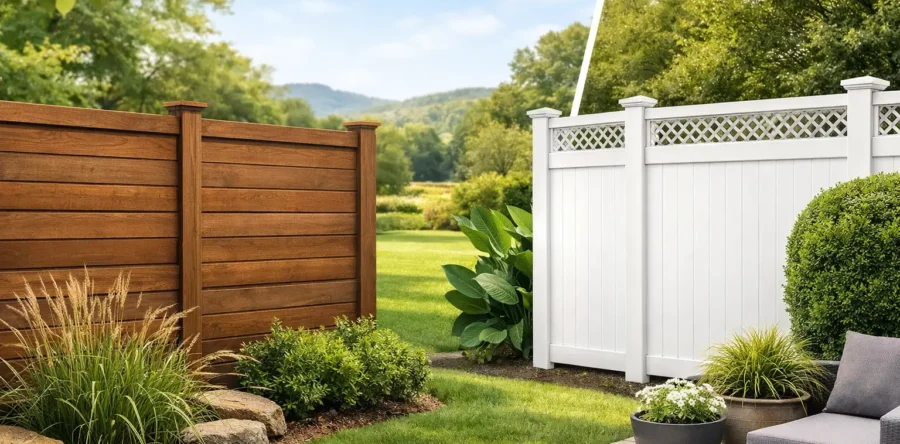
A privacy fence should do more than block a neighbor’s view. It should create a comfortable backyard, contain pets and children, define your property cleanly, and stand up to years of sun, wind, moisture, and daily use. The best fence options for privacy depend on what matters most at your property: low maintenance, natural appearance, maximum durability, budget, or a custom layout that solves an awkward site condition.
For homeowners and property managers in Southern California, the material is only part of the decision. A handsome fence can still lean, sag, warp, or fail early if the posts, fasteners, gate framing, and installation standards are poor. Choosing the right system means looking beyond the front-facing boards or panels and asking how the fence is built from the ground up.
What Makes a Privacy Fence Worth the Investment?
A real privacy fence needs solid coverage with few gaps, a height that fits the intended use, and enough structural strength to remain straight under wind pressure. Privacy panels catch wind like a sail. That makes post quality and proper installation especially important, whether the fence is vinyl or wood.
The right choice also depends on where the fence will sit. A side-yard divider may need a clean, narrow profile. A backyard enclosure may need a full-height solid wall and a dependable self-closing gate for pets. An estate, ranch, or commercial property may need a privacy section near occupied areas combined with more open perimeter fencing elsewhere. One material and one design do not fit every property.
Before selecting a fence, think about the view you want to block, the maintenance you are willing to handle, and how long you expect the fence to serve the property. Then evaluate the construction details that separate a lasting installation from a quick replacement job.
Vinyl Is One of the Best Fence Options for Privacy
For many homeowners, high-quality vinyl fencing is the practical choice for long-term privacy. It provides a solid, clean appearance without the regular staining, sealing, sanding, or repainting associated with wood. Quality vinyl will not rot, attract termites, or develop the splinters that can make an older wood fence difficult around children and pets.
A vinyl privacy fence can also be designed to fit the look of the property. White remains a classic choice, but tan, clay, gray, and wood-tone options can complement stucco, landscaping, and contemporary exterior finishes. Panel styles can range from simple full-privacy layouts to decorative lattice tops, framed panels, and stepped sections that follow sloped ground more gracefully.
Not all vinyl is equal. Thin, low-grade panels may become brittle, crack, or flex excessively over time. The internal reinforcement, wall thickness, rail design, and post system matter. A professionally installed vinyl fence should feel secure at the posts, have straight lines, and use gate hardware that can handle repeated use without dragging or loosening.
For high-wind areas and properties that need a strong long-term structure, metal Postmaster posts are a major upgrade over standard wood posts. They provide a durable steel backbone while remaining hidden inside the finished fence. This gives homeowners the clean appearance of vinyl with structural support designed to resist the common problems that cause a fence to lean or shift.
Redwood and Cedar Provide Natural Privacy With Character
Wood remains a strong option when natural beauty and custom design are the priorities. Redwood and cedar have a warmth that manufactured materials cannot fully duplicate. They work especially well for homes with mature landscaping, rustic architecture, custom gates, or a desire for a fence that feels like part of the garden rather than a separate structure.
Redwood is valued for its natural resistance to decay and its rich color. Cedar is also a durable choice with a distinctive grain and natural oils that help it resist insects and moisture. Either material can be built as board-on-board fencing, cap-and-trim fencing, horizontal fencing, solid vertical fencing, or a custom design that matches the home.
The trade-off is maintenance. Wood responds to weather. Even premium lumber can fade, dry, check, or move as it ages. Regular cleaning and appropriate staining or sealing help protect the appearance and extend service life. Homeowners who prefer a fence that changes little from year to year may be happier with vinyl. Those who appreciate natural material and are willing to care for it often find redwood or cedar worth the effort.
Construction still matters as much as species. Using high-grade lumber, quality fasteners, proper rail spacing, and strong posts helps prevent the loose boards, bowed rails, and premature rot often seen in low-cost installations.
Chain-Link Privacy Systems Have a Place
Chain-link is not usually the first image that comes to mind when someone wants backyard privacy, but it can be a practical solution for large properties, pet areas, commercial sites, and utility-side enclosures. When paired with privacy slats or screening, chain-link can reduce visibility while maintaining a cost-conscious, durable perimeter system.
This approach is best when complete architectural privacy is not the main goal. Slats and screens can allow some movement or partial visibility depending on the product and conditions. For a close residential property line where you want a finished, solid visual barrier, vinyl or wood is generally the better answer.
Chain-link excels where security, clear boundaries, and containment are the primary concerns. It is particularly useful for larger runs where a solid wood or vinyl fence may not be necessary across the entire property.
Do Not Overlook Fence Design and Gate Details
The best material can underperform when the design ignores how the property is used. A fence that provides privacy around a patio may need a different layout than one designed to shield a pool area, hide storage equipment, or contain an active dog. Fence lines can be stepped on slopes, offset around landscaping, and tailored with decorative sections so the finished project looks intentional rather than patched together.
Gates deserve special attention. They are the moving part of the fence and often the first place poor construction shows up. A gate should be framed for its width and weight, hung on substantial hardware, and aligned to latch reliably. A sagging gate is not a minor cosmetic issue. It can create a security gap, make daily access frustrating, and signal that the surrounding structure was not built with enough support.
For properties exposed to coastal air, strong wind, sprinkler overspray, or heavy use, ask specifically about post materials, hardware, and how the contractor handles corners and gates. These are the details that protect your investment after the crew has left.
How to Choose Between Vinyl and Wood Privacy Fencing
If you want the lowest ongoing maintenance, consistent color, and a clean modern look, vinyl is often the strongest choice. It is especially practical for busy households, rental properties, and owners replacing a fence that has already suffered from rot or warping.
If you want a custom-built appearance and the richness of real lumber, redwood or cedar may be the better fit. Wood offers greater freedom for distinctive layouts, horizontal patterns, decorative trim, and site-specific details. It asks more from the owner over time, but it can deliver exceptional curb appeal when properly built and maintained.
Price should be evaluated over the expected life of the fence, not only on installation day. An unusually low proposal may leave out quality posts, adequate framing, durable hardware, cleanup, or the material thickness needed for a lasting privacy barrier. A clear written estimate should explain what is being installed and give you confidence that there will be accountability if questions arise.
All Season Fencing approaches privacy fencing with that long-view mindset: high-grade materials, professional installation, and direct answers about what each option will require over time. As a licensed, bonded, insured, veteran-owned contractor, the goal is not to push one material on every customer. It is to build the fence that makes sense for the property and the people who use it.
Start With the Problem You Want the Fence to Solve
A privacy fence is successful when it improves the way you use your property every day. Maybe that means enjoying a morning coffee without looking into the next yard, giving a dog a secure area to run, creating a cleaner boundary for tenants, or replacing a tired fence that no longer reflects the home.
Bring those priorities to the estimate conversation. A knowledgeable contractor can help translate them into the right material, layout, post system, and gate design. The result should not just look private from the street. It should feel solid, operate properly, and give you confidence every time you step into your yard.