
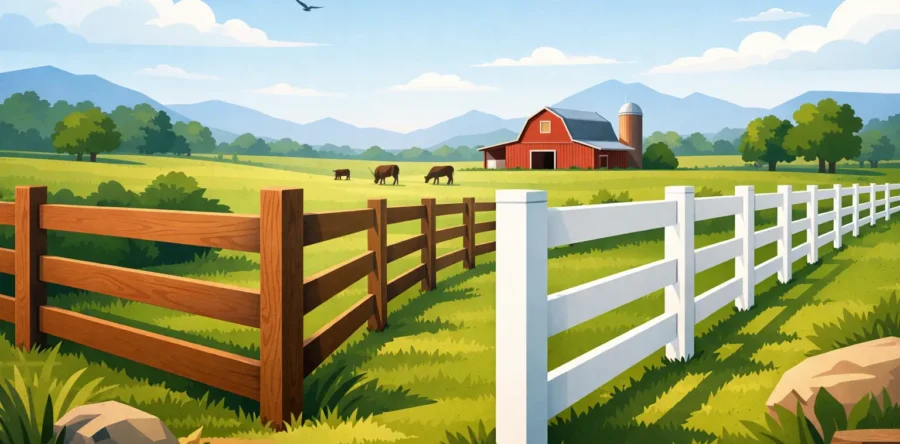
A ranch fence can look straight on installation day and still become a recurring repair problem within a few seasons. The difference usually comes down to the work below grade: proper layout, sound corner construction, post depth, material selection, and a crew that understands how a large property moves with terrain. Ranch perimeter fence installation is not a place for light-duty materials, rushed post setting, or vague estimates.
For ranches, farms, estates, and larger rural properties throughout Ventura County and surrounding Southern California communities, the perimeter has a serious job to do. It defines the property, contains animals, helps protect landscaping and equipment areas, and holds up against sun, wind, moisture, and changing soil conditions. A well-built system starts with a plan built around your land, not a one-size-fits-all product.
Start Ranch Perimeter Fence Installation With the Land
Before materials are ordered, walk the full fence line. This is where a professional installation separates itself from a quick quote based only on linear footage. A ranch perimeter may cross slopes, wash areas, uneven grades, hard-packed soil, soft ground, mature vegetation, or utility corridors. Each condition affects post placement, fence height, reinforcement, and the way the finished line should follow the terrain.
Property lines deserve special attention. Existing fence lines are not always the legal boundary, especially on older properties where neighboring owners may have installed fencing based on convenience rather than a survey. If there is any uncertainty, resolve it before construction begins. Moving hundreds of feet of newly installed fencing is an expensive lesson that no property owner should have to learn.
Access also matters. Large properties require room for material delivery, equipment movement, staging, and debris removal. A contractor should explain how the crew will protect landscaped areas, handle excavated soil, and keep the job site orderly. Clean work practices are not cosmetic. They prevent unnecessary damage and make it easier to spot issues before the work is complete.
Choose Materials for the Job, Not Just the First Price
There is no single best ranch fence material. The right choice depends on what the perimeter needs to contain or exclude, the look of the property, exposure to weather, maintenance expectations, and budget. The lowest initial price can become the most expensive option if the material warps, rots, loosens, or requires frequent repairs.
Vinyl fencing is a strong choice for estate perimeters, horse properties, pet boundaries, and ranch areas where a clean, consistent appearance matters. High-grade vinyl resists rot, insects, and moisture, and it does not require the recurring painting or staining associated with wood. Quality matters here. Thin vinyl panels and weak internal supports can crack or sag under heat and pressure, particularly across long runs.
Wood fencing offers a traditional ranch appearance and can be built in custom configurations to match a distinctive property. Redwood and cedar are popular because they perform better outdoors than many lower-grade wood options. Still, wood is a natural product. It requires realistic maintenance expectations, especially where sun exposure, sprinklers, soil contact, and coastal moisture are present. A properly built wood fence should use quality lumber, appropriate fasteners, and posts designed to resist the conditions below ground.
Chain-link can be practical for large-property enclosure where function, visibility, and value are the priorities. The right framework, wire gauge, and finish make a major difference in long-term performance. On expansive properties, a light residential-grade system may save money on paper but can lose tension and show damage sooner than a properly specified commercial-grade installation.
For many properties, the strongest answer is a custom combination of materials. A visible frontage may call for vinyl or wood, while less visible boundary lines may benefit from a durable, cost-conscious enclosure system. Good fence design follows the property’s real needs instead of forcing every section into the same material.
Posts Carry the Entire System
Rails, panels, and wire get most of the attention, but posts determine whether a perimeter remains straight and secure. Every long fence line transfers force into its corner, end, and line posts. Wind, animal pressure, soil movement, and the normal expansion and contraction of materials all test that structure over time.
Post depth should be based on fence height, soil conditions, exposure, and the loads the fence will carry. A shallow post may appear stable immediately after installation, then begin leaning as the ground settles or the fence sees its first season of wind. Corners and direction changes need additional reinforcement because they carry more tension than ordinary line posts.
All Season Fencing uses high-grade materials and can incorporate Postmaster metal posts where the project calls for superior strength and durability. These steel posts are concealed within many fence designs, helping deliver a clean finished appearance without relying solely on wood posts that may eventually decay below grade. They are especially valuable when a homeowner wants the warmth of a wood fence with a stronger structural backbone.
Build for Southern California Sun, Wind, and Soil
Local conditions should shape the installation plan. Coastal properties near Ventura, Oxnard, Port Hueneme, Carpinteria, and Santa Barbara can face salt air and moisture that affect certain metals and fasteners. Inland properties may deal with intense heat, dry soil, and hard ground. Hillside and canyon-adjacent properties can see heavy wind and uneven grade changes.
This is why material specifications cannot be treated as an afterthought. Fasteners should be suited to the fence material and exposure level. Metal components need appropriate corrosion resistance. Vinyl should be quality material designed to handle heat without becoming brittle or misshapen. Wood should be selected with its natural variation and long-term maintenance in mind.
Drainage is another issue often missed in low-cost proposals. Water that repeatedly collects around posts can shorten the life of wood and contribute to soil movement around any type of footing. On properties with slopes or seasonal runoff, the crew should account for how water moves across the fence line rather than installing first and addressing washout later.
Keep the Fence Line Straight Without Fighting the Grade
A ranch perimeter rarely runs across perfectly level ground. The installation method should make the fence look intentional while maintaining the protection the property needs. Depending on the material and terrain, the fence may step down in controlled sections or follow the contour of the land. Each approach has trade-offs.
Stepped sections can create crisp, level lines, which work well with many panel-style fences. However, they may leave larger openings below the fence on steep changes in grade. A contoured installation follows the slope more closely and can reduce those gaps, but it requires careful layout and materials that can accommodate the change. The right choice depends on the slope, the fence style, and whether pet containment or animal control is a priority.
Do not accept a vague promise that the crew will “make it work” once work begins. A reliable contractor discusses significant grade changes before installation, explains the intended solution, and includes the required labor and materials in a clear written proposal.
Know What a Professional Proposal Should Cover
Large-property fencing deserves more detail than a simple per-foot price. A meaningful proposal identifies the fence type, approximate height, post materials, structural components, removal work if needed, site challenges, and the limits of the project. It should also explain who is responsible for permits, utility locating, and any required approvals.
California property owners should protect themselves by hiring a properly licensed, bonded, and insured fencing contractor. Verify the license directly, ask questions about materials, and make sure the payment schedule follows California contractor requirements. A professional should be comfortable putting the scope in writing and answering direct questions about how the fence will be built.
Be cautious when a price is dramatically lower than every other proposal. The gap often comes from thinner materials, undersized posts, reduced concrete, skipped reinforcement, unlicensed labor, or missing insurance. Those shortcuts may not be visible at first, but they show up when posts shift, materials fail, or the contractor is unavailable after payment.
Plan for Inspection and Long-Term Care
Even the best ranch perimeter needs occasional attention. Walk the line periodically, especially after high winds, heavy rain, or nearby grading work. Look for leaning posts, loose hardware, soil erosion, damaged boards or panels, and vegetation pressing against the fence. Addressing a small issue early is far less costly than rebuilding a compromised section later.
Maintenance needs vary by material. Vinyl generally needs simple cleaning. Wood benefits from periodic inspection and protective maintenance appropriate to its finish and exposure. Chain-link systems should be checked for tension, damaged fabric, and framework movement. Keeping weeds, irrigation overspray, and piled soil away from the base of the fence helps every material perform better.
A ranch perimeter is a long-term piece of infrastructure, not a weekend purchase. Ask for a clear proposal, insist on materials that match the property’s demands, and choose a contractor willing to explain the construction decisions before the first post goes in. A fast, friendly professional proposal can give you the clarity to build a boundary that protects your land for years to come.